
This Game Isn’t Entertainment — It’s Engineered Control
If online casinos or slot games are taking more than they give, it’s time for a change. Find clarity, regain balance, and move forward with confidence.
How Slot Games Keep You Hooked
-
The Illusion of Almost Winning
One of the most powerful mechanics in slot games is the “near win” effect. When symbols almost align into a winning combination, your brain reacts as if success was just barely missed rather than completely absent. This creates a strong emotional response that feels similar to actually winning. Over time, this illusion encourages repetition, because the brain begins to interpret “almost winning” as meaningful progress rather than pure loss.
-
Unpredictable Rewards Keep You Engaged
Unlike structured systems where outcomes can be predicted or learned, slot games use completely random reward timing. This unpredictability is intentional. The brain struggles to disengage when rewards are inconsistent, because it keeps anticipating the next possible win. This mechanism is similar to reinforcement loops found in behavioral psychology, where uncertainty increases persistence even when losses dominate.
-
Every Win Is Engineered to Feel Bigger
Slot games use sound, motion, flashing lights, and visual effects to amplify emotional reactions. Even small wins are presented as major events through celebratory animations and audio cues. This creates a distorted perception of success, making minor rewards feel more significant than they actually are. Over time, the sensory experience becomes more engaging than the actual outcome.
-
Losing Track of Time Is Part of the Design
Many slot platforms are structured without natural stopping points. There are no chapters, levels, or endings that signal progress completion. Combined with rapid gameplay cycles, this leads to a distorted sense of time. Players often underestimate how long they have been playing, which increases both financial exposure and emotional fatigue without immediate awareness.
When Play Becomes a Problem
What begins as occasional entertainment can gradually evolve into a habitual behavior
pattern that feels increasingly difficult to control. The transition is often subtle. It doesn’t happen in a
single moment, but through repeated exposure where emotional reactions begin to override logical
decision-making.
Over time, players may find themselves continuing not because they are enjoying the
experience, but because stopping feels uncomfortable, incomplete, or even stressful. This shift can affect
financial stability, emotional wellbeing, and personal relationships. The most concerning aspect is how
quietly it develops — often going unnoticed until it becomes significantly disruptive.

What Is Really at Stake
Real-money slot games introduce a layer of psychological pressure that goes beyond entertainment. When money is involved, emotional responses intensify, and decision-making becomes more reactive and less controlled.
Losses in gambling rarely feel immediate or dramatic. Instead, they accumulate slowly through repeated small bets. Because each individual wager feels insignificant, it becomes easy to overlook the overall financial impact until it reaches a substantial level. This gradual accumulation is one of the most common ways people underestimate their total spending.
Risk 2 — Emotional Dependency LoopWins trigger excitement and relief, while losses create frustration and the desire to recover what was lost. This emotional cycle can become self-reinforcing. Instead of playing for entertainment, the activity shifts toward emotional regulation — using the game to escape stress or chase relief, which increases dependency.
Risk 3 — Loss of Behavioral ControlOne of the most dangerous aspects of gambling systems is the way they weaken self-control over time. Even when a person intends to stop, the structure of the game encourages continuation through fast cycles, reward anticipation, and emotional momentum. This can lead to decisions that contradict original intentions.

Take This Seriously
Playing slots for real money isn’t just entertainment — it can quickly take control over your time, finances, and decisions. If you recognize this pattern in yourself, know that support is available. Change is possible, and it starts with small, conscious steps.
Regaining Control Starts Small
Recovery or behavioral change does not require extreme or immediate action. In fact, small, consistent
adjustments are often more effective than sudden attempts to stop completely. Awareness is the first and
most important step.
Creating boundaries, recognizing triggers, and understanding personal limits
can help rebuild control over time. The goal is not perfection, but stability and awareness of behavior
patterns.
Important:
- Set strict financial limits before any activity begins, and treat them as non-negotiable
- Define time boundaries and use external reminders to enforce them
- Avoid chasing losses, as it increases emotional and financial risk
- Take regular breaks to reset focus and reduce impulsive decisions
- Speak openly with someone you trust if the behavior feels difficult to manage alone
A Moment of Honest Reflection
The following questions are designed to help you evaluate your current relationship with gambling-related behavior. There are no right or wrong answers — only personal insight. Answering honestly can help identify patterns that may otherwise go unnoticed.
Questions:
- 1. Have you found yourself spending more money or time than you originally planned, even when you intended to stop earlier?
- 2. Do you experience restlessness, irritability, or discomfort when you are not engaged in gambling activities for a period of time?
- 3. Have you ever tried to recover losses by continuing to play, believing that another session might fix previous outcomes?
- 4. Do you feel the need to hide or minimize your gambling activity from friends, family, or people close to you?
- 5. Has your gambling behavior ever negatively affected your sleep patterns, concentration, emotional stability, or daily responsibilities?
- 6. When you are actively playing, do you feel fully in control of your decisions, or do you sometimes feel like the activity is guiding your actions?
- 7. Have you previously made attempts to stop or reduce your gambling activity but found it difficult to maintain those changes over time?
You Don’t Have to Handle This Alone
Changing deeply rooted behavioral patterns can be challenging without external support, especially
because these patterns are often reinforced over long periods of time through habit, environment, and
emotional coping mechanisms. Even when a person is highly motivated to change, it is common to encounter
setbacks, moments of relapse, or periods where progress feels slow or inconsistent. This is a normal
part of the process rather than a sign of failure.
Many people experience similar struggles,
and recognizing this shared human experience can reduce feelings of isolation or self-judgment. Seeking
help is not only common but often a highly effective and practical step toward meaningful, sustained
change. Support can come in many forms — from open conversations with trusted friends or family members,
to professional counseling, therapy, coaching, or participation in structured support groups where
people face similar challenges.
Different types of support serve different roles. Personal
relationships can provide emotional reassurance and encouragement, while professionals can offer
structured strategies, tools, and evidence-based approaches tailored to specific patterns of behavior.
Support groups can add a sense of accountability and shared understanding that helps maintain motivation
over time.
Ultimately, the most important factor is not the specific method chosen, but the
willingness to reach out and stay engaged in the process. Connection, consistency, and accountability
often play a decisive role in transforming short-term intentions into long-term behavioral change.

12 Steps to Freedom from Gambling Addiction
-

Acknowledging the Problem
We admitted gambling had become uncontrollable and harmful. This was the moment we stopped denying reality and began change.
-

Awakening Hope
We began to believe recovery was possible again. This gave us strength to move forward despite difficulties.
-

Choosing to Seek Help
We decided we could not recover alone anymore. This step opened the door to support and guidance.
-

Honest Self-Reflection
We examined our behavior honestly without excuses or denial. This helped us understand our patterns and triggers.
-
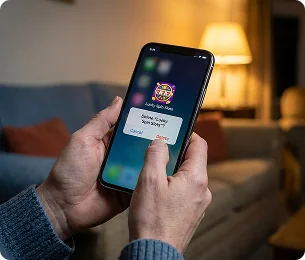
Accepting Responsibility
We admitted our mistakes and stopped blaming external factors. This brought clarity and emotional maturity.
-
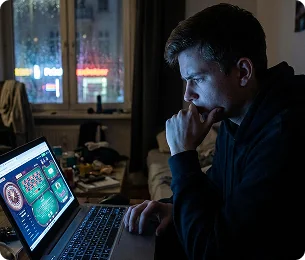
Readiness for Change
We became willing to let go of destructive habits. This made change feel necessary and real.
-

Inner Transformation
We worked on changing mindset and emotional reactions. This slowly improved our self-control and awareness.
-

Making an Amends List
We listed people we had harmed through our actions. This helped us understand the impact clearly.
-

Taking Action to Repair Harm
We started repairing damage where it was possible. This slowly rebuilt trust and relationships.
-

Continuous Self-Monitoring
We monitored our behavior every day with awareness. This helped us avoid repeating past mistakes.
-

Building Inner Stability
We strengthened emotional balance and discipline over time. This reduced stress and impulsive reactions.
-

Helping Others Recover
We supported others facing similar struggles in recovery. This reinforced our own healing process.
Frequently Asked Questions
-
A key indicator is loss of control, when you continue even after deciding to stop, or when gambling starts affecting your mood, finances, or responsibilities. If the behavior begins to feel compulsive rather than intentional, it may be a sign of deeper involvement than casual entertainment.
-
In some cases, individuals are able to regain control through structured self-discipline and behavioral changes. However, external support significantly increases success rates by providing accountability, perspective, and emotional guidance during difficult moments.
-
Gambling systems are designed to reinforce repetition through emotional triggers, reward unpredictability, and rapid feedback loops. These mechanisms can override rational decision-making, making stopping more difficult than it may appear from the outside.
-
The most effective first step is to reduce exposure and speak to someone about your experience. Breaking isolation helps restore clarity. From there, structured support or guided recovery steps can help rebuild control gradually.
Is Gambling Affecting Your Life at Home?
Get confidential and anonymous support for gambling-related challenges. Access free educational resources and peer support connected with Gamblers Anonymous—available anytime, completely private, and free to use.
Get Support